A project in trouble almost always feels the same: missed deadlines, a tired team, a client who no longer trusts the estimates. In that climate the two most common reactions are adding developers or starting over. In my experience both make things worse, because decisions get made before anyone has understood the problem.
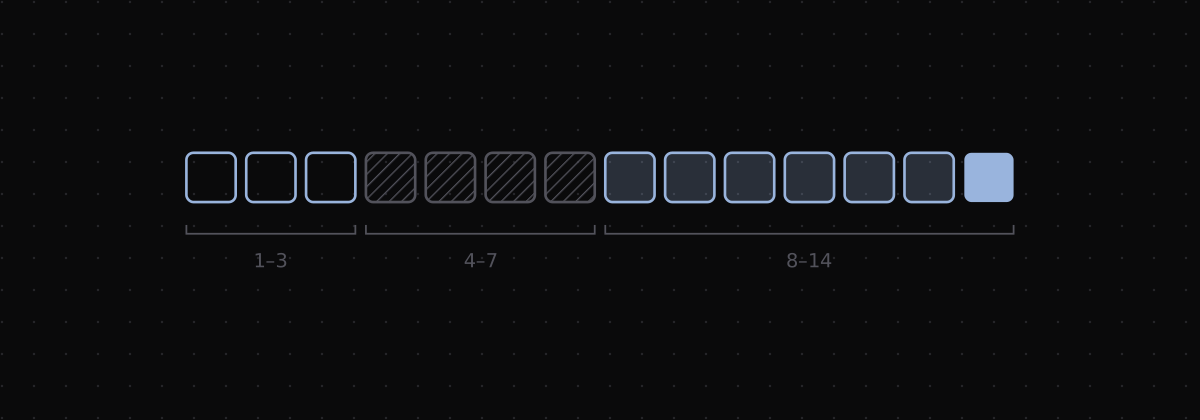
Days 1–3: look
I read the code, but above all I read how the code reaches production. I look at the repository, the release process, the tests (if there are any), the backlog, and the gap between what’s written down and what the system actually does. Then I talk to the people who write the code and the people who use the product: the two versions of the story are rarely the same.
In these days I propose nothing. The biggest risk is arriving with a solution before you have the problem.
Days 4–7: freeze
Once I have a reasonably clear picture, I freeze three things: new features, non-urgent refactoring and any change of technology. It isn’t forever: it’s there to stop moving the target while you’re looking at it. I write the decision down, in a few lines, and share it with the team and the client.
Week two: the short list
In the end I arrive at a list of a few items. Three questions are enough to build it:
- What is blocking the release today?
- What could break without anyone noticing?
- What can we take out of scope to get there sooner?
A project in trouble doesn’t need more speed: it needs to know where it’s going.
What I leave alone
Code that works, even if it’s ugly: rewriting it costs time and adds risk with no benefit for the client. The team, barring obvious problems: people are usually less of the problem than they seem, and losing them mid-recovery costs more than any reorganisation. Vendors and contractual choices, until I understand why they were made.
What’s left at the end
A two-page document saying what I found, what’s at risk and what I propose for the next six to eight weeks. And a team that finally knows what the next thing to ship is.